Introduction
The monitoring of stomas and ostomies is an Click here! important aspect of health care that requires specialized expertise and training. As health care professionals, it's essential to furnish ourselves with the best techniques in stoma and ostomy education. With a raising number of patients going through procedures that cause a stoma, understanding the nuances of ostomy care is important for delivering top quality client care. This post will certainly delve into comprehensive methods, instructional requirements, and sensible methods that can enhance our competencies in this field.
Best Practices in Stoma and Ostomy Education And Learning for Health Care Professionals
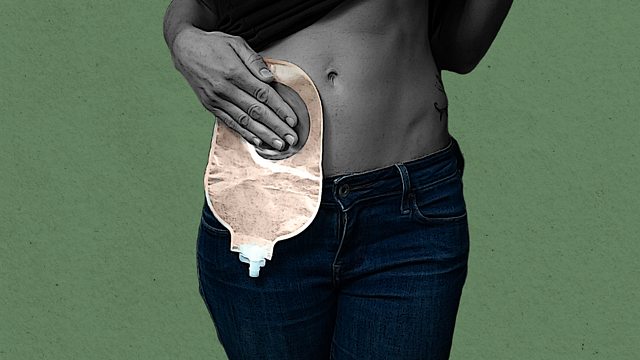
Stomas are operatively created openings on the abdomen that enable waste to leave the body when normal digestive tract or urinary system feature is not feasible. Understanding what a stoma is-- alongside its ramifications-- develops the structure of efficient ostomy care. To offer optimum look after people living with a stoma, health care professionals need to undergo comprehensive training, such as stoma care training for carers, ndis complex bowel care training, and complex digestive tract care courses
What Is a Stoma?
A stoma is an operatively formed opening from a location inside the body to the outdoors setting. There are a number of kinds of stomas:
- Colostomy: Developed from the large intestinal tract (colon). Ileostomy: Developed from the small intestinal tract (ileum). Urostomy: Diverts urine far from a diseased bladder.
Each kind has distinct care demands, highlighting the requirement for specialized education.
What Is an Ostomy?
An ostomy describes any kind of operation that creates an opening (stoma) in the body, allowing waste elimination. It can be short-term or long-term, depending on the hidden medical problem. This demands customized education and learning programs targeting both doctor and patients.
Importance of Stoma Care Training
Training in stoma care outfits healthcare experts with crucial abilities required for efficient person administration. A robust understanding makes it possible for practitioners to teach patients regarding:
Proper cleaning techniques Skin protection measures Recognizing complications early Emotional support strategiesThe Duty of Education in Digestive Tract Care Management
Education bordering bowel care management is crucial for fostering self-reliance among patients with ostomies. It incorporates training abilities connected to:
- Dietary adjustments Medication management Regular follow-ups with medical care providers
NDIS Complex Bowel Care Training
The National Impairment Insurance coverage Plan (NDIS) provides specific training programs focused on complex bowel care demands. This includes:
- Assessing specific client needs Tailoring treatments based upon details conditions Supporting caretakers via structured educational modules
Comprehensive Summary of Stoma Care Courses
Various companies use stoma care training courses, which normally cover:
Anatomy and physiology pertinent to ostomies. Practical strategies for changing bags. Troubleshooting typical issues. Strategies for psychological support.These courses make certain that health care professionals have all-around expertise applicable to real-life situations.
Complex Bowel Treatment Training course Insights
Professionals taking on complex bowel care courses get insights right into managing complex cases including numerous health problems like:
- Inflammatory digestive tract disease (IBD) Cancer-related surgeries Congenital abnormalities
This specific training assists recognize distinct difficulties encountered by these clients and provides strategies to mitigate dangers effectively.
Caring for an Ostomy: Finest Practices
Caring for an ostomy goes beyond mere formalities; it entails compassion, persistence, and positive involvement with patients' needs:
Personalized Treatment Plans: Every client's circumstance might differ; therefore, individualized strategies are crucial. Patient Education: Mentor people exactly how to handle their stomas empowers them. Follow-Up Support: Continuous support guarantees clients as they browse their new reality.Best Practices in Stoma and Ostomy Education for Health Care Professionals
To make certain effective outcomes, right here are some ideal techniques every medical care specialist ought to embrace:
1. Remain Updated on Most Current Research
Continuous knowing with workshops, conferences, and upgraded literature keeps specialists notified concerning improvements in ostomy technology.
2. Engage Multidisciplinary Teams
Collaboration among specialists, nurses, dietitians, and mental health experts promotes holistic individual care.
3. Use Patient Resources
Providing individuals with easy-to-understand resources help understanding of their problem and encourages them to organize their wellness journey.
4. Motivate Peer Assistance Groups
Facilitating connections between individuals can create encouraging areas where shared experiences help reduce sensations of isolation.
Key Abilities Needed for Efficient Ostomy Management
Healthcare professionals need to grow particular necessary skills throughout their training programs:
Clinical Skills
Understanding anatomy pertaining to ostomies allows practitioners to deliver accurate assessments.
Communication Skills
Being able to connect efficiently guarantees that patients really feel heard and recognized concerning their issues connected to ostomy management.
Emotional Intelligence
Recognizing psychological distress in individuals aids tailor supportive interventions during challenging times post-surgery.

Common Obstacles in Stoma Care Management
Despite best efforts, challenges arise frequently throughout client monitoring concerning their stomas:
1. Skin Complications
Patients frequently experience skin irritations around the stoma site as a result of inappropriate fitting or allergies to appliances used.
Prevention Techniques:
- Educate on correct application techniques. Recommend skin obstacle items as needed.
2. Nutritional Adjustments
Post-operative dietary adjustments can lead people toward dietary deficiencies if not managed correctly.
Practical Advice:
Guide patients through keeping balanced diet regimens while preventing foods known to cause pain or blockages.
FAQs on Stoma Care Training
Q1: What need to I consist of in my stoma care training curriculum? A1: A detailed educational program needs to cover anatomy pertaining to stomas, sensible bag transforming techniques, troubleshooting usual concerns, nutritional adjustments, emotional support approaches, and recurring assessment protocols.
Q2: Why is emotional assistance important in ostomy education? A2: Numerous people deal with substantial emotional hurdles after receiving an ostomy; providing mental support through therapy or peer groups can dramatically boost their lifestyle post-surgery.
Q3: How usually must I update my understanding relating to stoma care? A3: On a regular basis going to specialist development courses at least annually is recommended; however, staying notified regarding brand-new research continuously is equally important.
Q4: What sources are available for caretakers caring for someone with a stoma? A4: Numerous on the internet systems use overviews specifically developed for caregivers; additionally, local support groups can provide invaluable peer networks sharing useful tips based upon lived experiences.
Q5: Exist specialized certifications available concentrating on ostomy education? A5: Yes! Different companies offer certifications that concentrate specifically on wound/ostomy continence nursing (WOCN), which enhances credibility within this specialty domain significantly!
Q6: Can modern technology help in taking care of complicated digestive tract conditions? A6: Definitely! Emerging innovations such as telehealth consultations assist in regular monitoring while additionally boosting access to expert advice throughout treatment plans customized uniquely per individual's needs!
Conclusion
In verdict, applying ideal techniques in stoma and ostomy education is crucial for enhancing health care outcomes across diverse patient populaces facing these conditions daily! Via properly designed academic frameworks incorporating theoretical knowledge together with useful applications tailored in the direction of real-world situations-- doctor can with confidence assist those navigating life post-surgery while ensuring they preserve control over their health trips moving forward! By involving actively within multidisciplinary teams while continually upgrading our abilities with proceeded professional advancement chances-- we pave pathways in the direction of enhanced quality-of-life results throughout all ranges entailed within this crucial location of patient-centered clinical practice today!